
How IoT Is Revolutionizing Logistics and Fleet Management

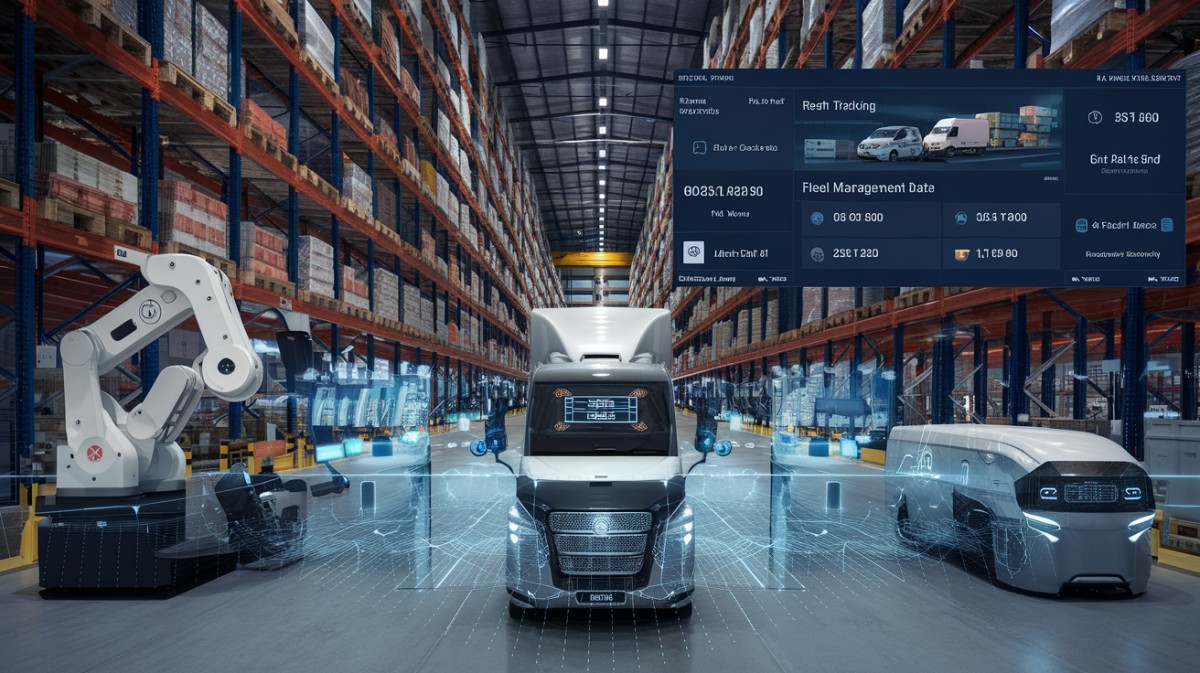
How IoT Is Revolutionizing Logistics and Fleet Management
The logistics industry has always relied on speed, efficiency, and accurate information. In today's highly connected world, businesses are increasingly turning to the Internet of Things (IoT) to improve operations, reduce costs, and enhance customer satisfaction.
From real-time vehicle tracking to predictive maintenance, IoT technologies are transforming how goods move from suppliers to customers.
As global trade and e-commerce continue to grow, IoT is becoming an essential tool for logistics companies and fleet operators looking to stay competitive.
What Is IoT in Logistics?
The Internet of Things (IoT) refers to connected devices that collect, share, and analyze data over the internet without requiring constant human input.
In logistics and transportation, IoT devices include:
- GPS trackers
- Vehicle telematics systems
- Fuel monitoring sensors
- Temperature sensors
- Smart cameras
- Driver behavior monitoring systems
- Cargo tracking devices
- Warehouse sensors
These technologies provide businesses with real-time visibility into their operations.
Real-Time Fleet Tracking
One of the most common uses of IoT in logistics is vehicle tracking.
GPS-enabled devices allow fleet managers to monitor vehicle locations in real time, helping them:
- Track deliveries accurately
- Improve route planning
- Reduce delays
- Respond quickly to emergencies
- Improve customer communication
Customers increasingly expect accurate delivery updates, making real-time tracking an important competitive advantage.
Improved Route Optimization
Traffic congestion, road closures, and unexpected delays can increase operational costs.
IoT systems can analyze live traffic information and suggest more efficient routes for drivers.
Benefits include:
- Reduced fuel consumption
- Faster deliveries
- Lower operating costs
- Improved customer satisfaction
For large fleets, even small improvements in route efficiency can result in significant savings.
Predictive Vehicle Maintenance
Traditional vehicle maintenance often follows fixed schedules regardless of actual vehicle condition.
IoT sensors can monitor engine performance, tire pressure, battery health, fuel systems, and other components in real time.
This allows businesses to identify potential problems before they lead to costly breakdowns.
Predictive maintenance helps organizations:
- Reduce downtime
- Extend vehicle lifespan
- Lower repair costs
- Improve operational reliability
Fuel Management and Cost Reduction
Fuel expenses represent a major cost for many transportation businesses.
IoT fuel monitoring systems help companies track:
- Fuel consumption
- Fuel efficiency
- Idling time
- Unauthorized fuel usage
These insights allow businesses to identify inefficiencies and improve fuel management strategies.
Cold Chain Monitoring
Some products require strict temperature control during transportation.
Examples include:
- Pharmaceuticals
- Vaccines
- Fresh food products
- Dairy products
- Frozen goods
IoT temperature sensors can monitor storage conditions continuously and send alerts if temperatures move outside acceptable ranges.
This helps protect product quality and reduce losses.
Enhanced Driver Safety
Driver safety remains a priority for logistics companies.
Connected devices can monitor:
- Speeding
- Harsh braking
- Sudden acceleration
- Driver fatigue indicators
- Seat belt usage
These insights can support driver training programs and improve road safety.
Better Asset Tracking
Shipping containers, trailers, and valuable cargo can be tracked throughout the supply chain.
Businesses gain visibility into:
- Asset location
- Transit times
- Delivery status
- Potential delays
Improved visibility reduces the risk of loss, theft, and miscommunication.
Warehouse Automation and Inventory Management
IoT extends beyond vehicles and transportation.
Warehouses increasingly use connected sensors to monitor:
- Inventory levels
- Equipment performance
- Environmental conditions
- Storage utilization
This information helps improve inventory accuracy and operational efficiency.
Challenges of IoT Adoption
Despite its benefits, businesses may encounter challenges when implementing IoT solutions.
Initial Investment Costs
Deploying sensors, communication systems, and software platforms may require significant upfront investment.
Cybersecurity Risks
Connected devices can introduce additional security considerations if not properly managed.
Connectivity Issues
Reliable communication networks remain essential for many IoT applications.
Data Management
Large numbers of connected devices generate significant amounts of data that must be stored and analyzed effectively.
The Future of IoT in Logistics
The future of logistics will likely involve even greater automation and connectivity.
Emerging technologies include:
- Autonomous delivery vehicles
- Smart warehouses
- AI-powered route planning
- Advanced predictive analytics
- Connected supply chain ecosystems
The combination of IoT, Artificial Intelligence, and automation is expected to reshape logistics operations in the coming years.
Opportunities for Nigerian Logistics Companies
Nigeria's growing e-commerce sector and expanding transportation industry create significant opportunities for IoT adoption.
Logistics companies can use connected technologies to improve delivery reliability, reduce costs, and increase operational visibility.
As internet infrastructure and digital adoption continue to improve, IoT solutions may become increasingly accessible to businesses of all sizes.
Final Thoughts
The Internet of Things is changing logistics and fleet management by providing greater visibility, improving efficiency, and supporting smarter decision-making.
While implementation challenges exist, the long-term benefits can be substantial for businesses willing to invest in digital transformation.
For logistics companies operating in an increasingly competitive market, IoT is quickly moving from an innovation to a business necessity.
Frequently Asked Questions
What's Your Reaction?
 Like
1
Like
1
 Dislike
0
Dislike
0
 Love
1
Love
1
 Funny
0
Funny
0
 Wow
0
Wow
0
 Sad
0
Sad
0
 Angry
0
Angry
0

Comments (1)