Preparing Your Business for the Next Generation of Digital Threats

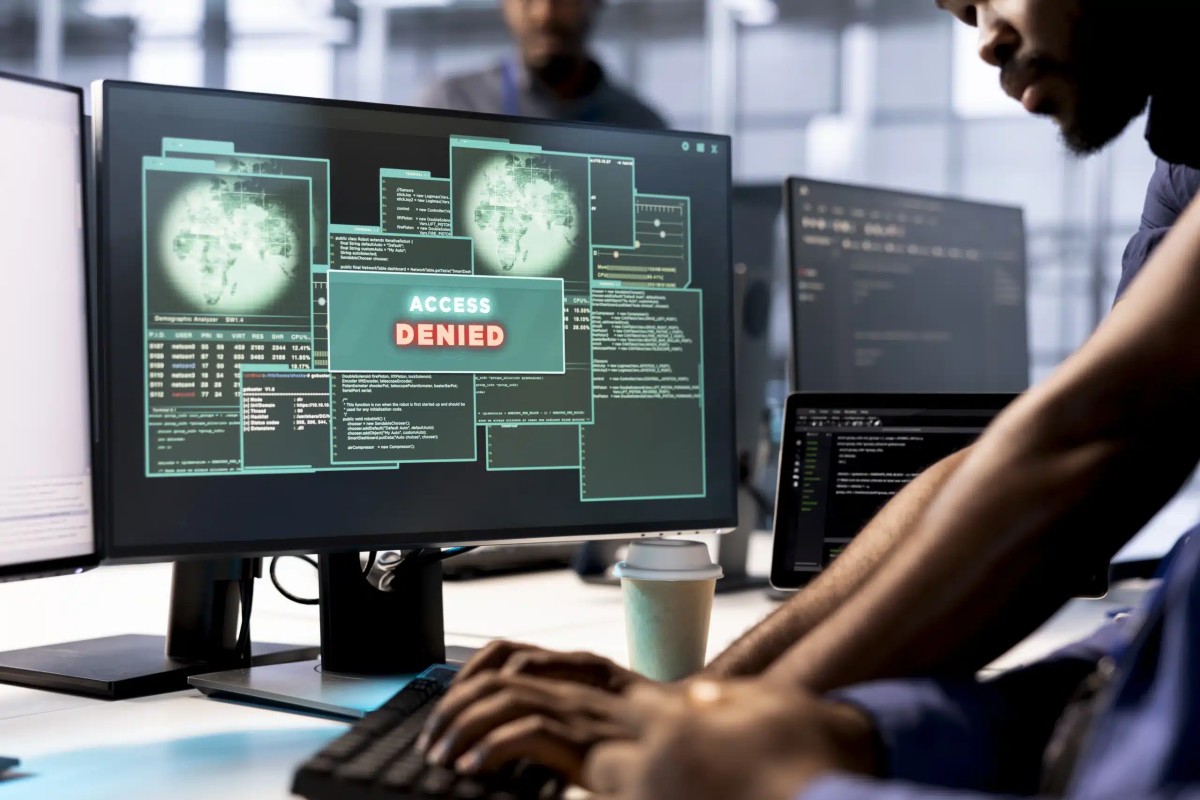
Preparing Your Business for the Next Generation of Digital Threats
Technology has transformed the way businesses operate, communicate, and serve customers. From cloud computing and Artificial Intelligence to mobile applications and connected devices, digital tools have created new opportunities for growth and innovation.
However, increased digital adoption has also created new cybersecurity challenges. Modern cybercriminals are becoming more sophisticated, using advanced techniques to target businesses of all sizes.
The next generation of digital threats will not only involve traditional hacking methods but also Artificial Intelligence-powered attacks, advanced social engineering, supply chain risks, and attacks on emerging technologies.
Businesses that prepare early can reduce risks, protect valuable data, and maintain customer trust in an increasingly connected world.
Understanding the New Cybersecurity Landscape
Cybersecurity threats are constantly evolving. Attackers are no longer relying only on basic viruses or simple password theft.
Today's threats include:
- AI-powered cyberattacks
- Advanced phishing campaigns
- Ransomware attacks
- Cloud security vulnerabilities
- Identity theft
- Supply chain attacks
- IoT device exploitation
- Data privacy breaches
Businesses must understand that cybersecurity is no longer only an IT issue. It is a critical business responsibility.
Why Businesses Need to Prepare for Future Threats
A successful cyberattack can affect every area of an organization.
Potential consequences include:
- Financial losses
- Business interruption
- Loss of customer confidence
- Stolen confidential information
- Legal and regulatory issues
- Damage to brand reputation
Preparing for future threats helps businesses respond faster and reduce the impact of security incidents.
Emerging Digital Threats Businesses Should Watch
1. Artificial Intelligence-Powered Attacks
Artificial Intelligence is improving cybersecurity defenses, but attackers can also use AI for malicious purposes.
Cybercriminals may use AI to:
- Create more convincing phishing emails
- Generate fake messages and documents
- Automate attacks
- Create realistic impersonations
- Identify system vulnerabilities faster
Businesses should invest in security awareness, monitoring tools, and modern defense strategies.
2. Advanced Phishing and Social Engineering
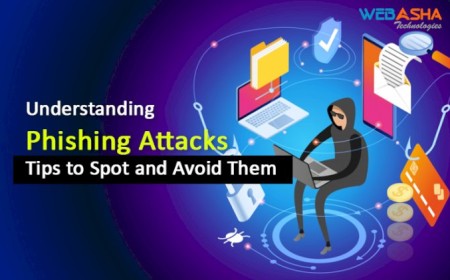
Phishing remains one of the most successful cyberattack methods because it targets human behavior.
Future phishing attacks may become harder to identify through:
- Personalized messages
- AI-generated content
- Fake voice recordings
- Deepfake technology
Employee cybersecurity training is essential because human awareness remains a key defense.
3. Ransomware Evolution
Ransomware attacks continue to threaten organizations worldwide.
Modern ransomware can:
- Encrypt business files
- Steal sensitive data
- Disrupt operations
- Demand payment for data recovery
Businesses should maintain:
- Regular backups
- Strong access controls
- Security monitoring
- Incident response plans
4. Cloud Security Risks
As more businesses move their operations to the cloud, cloud security becomes increasingly important.
Common risks include:
- Misconfigured cloud services
- Unauthorized access
- Weak authentication
- Poor data management
Organizations should implement strong cloud security practices to protect important information.
5. Internet of Things (IoT) Security Threats
Connected devices such as smart cameras, sensors, and industrial equipment create new security challenges.
Poorly secured IoT devices can become entry points for attackers.
Businesses should:
- Change default passwords
- Update device software
- Monitor connected devices
- Separate IoT networks from critical systems
How Businesses Can Prepare for Future Cyber Threats
Conduct Regular Security Assessments
Regular cybersecurity assessments help businesses identify weaknesses before attackers exploit them.
Organizations should evaluate:
- Systems and applications
- Network security
- User access permissions
- Data protection practices
- Backup processes
Implement Strong Identity Security
Many cyberattacks begin with stolen credentials.
Businesses should use:
- Strong password policies
- Multi-factor authentication (MFA)
- User access management
- Regular account reviews
Protecting identities is one of the most effective ways to reduce unauthorized access.
Keep Software Updated
Outdated software can contain security vulnerabilities.
Businesses should regularly update:
- Operating systems
- Applications
- Plugins
- Security tools
- Network equipment
Security updates often fix vulnerabilities that attackers target.
Train Employees Regularly
Employees are often the first people to encounter cyber threats.
Security training should cover:
- Recognizing phishing attempts
- Safe internet practices
- Password management
- Reporting suspicious activity
- Protecting company information
A security-aware workforce can significantly reduce risks.
Create a Strong Backup Strategy
Backups provide a safety net during security incidents.
Businesses should:
- Back up important data regularly
- Store backups securely
- Test recovery procedures
- Maintain offline or separate backup copies
A reliable backup strategy can help organizations recover faster after attacks.
Develop an Incident Response Plan
Businesses should prepare for the possibility of a cyber incident.
An incident response plan should define:
- Who responds during an attack
- How systems will be contained
- How customers will be informed
- How operations will be restored
Preparation reduces confusion and speeds up recovery.
Adopt a Zero Trust Security Approach
Zero Trust is a security model based on the principle:
"Never trust automatically; always verify."
Instead of assuming users or devices are safe, businesses continuously verify access requests.
Zero Trust security includes:
- Identity verification
- Limited access permissions
- Continuous monitoring
- Device security checks
Protect Customer Data and Privacy
Customers expect businesses to protect their personal information.
Organizations should:
- Collect only necessary data
- Secure stored information
- Control data access
- Follow privacy regulations
- Communicate security practices clearly
Strong data protection builds customer confidence.
The Role of Technology in Future Cybersecurity
Emerging technologies will continue shaping cybersecurity.
Businesses may increasingly use:
- AI-powered threat detection
- Automated security monitoring
- Advanced encryption
- Behavioral analysis
- Cloud security platforms
Technology alone is not enough, but combined with good policies and trained employees, it creates stronger protection.
Cybersecurity Is an Ongoing Process
Cybersecurity is not something a business completes once and forgets.
Threats continue changing, so security strategies must evolve.
Businesses should regularly:
- Review security policies
- Update systems
- Train employees
- Test backups
- Monitor threats
Continuous improvement is essential for long-term protection.
Final Thoughts
The next generation of digital threats will challenge businesses in new and complex ways. Organizations that depend on outdated security practices may face serious risks.
Preparing today through strong cybersecurity policies, employee education, modern security tools, and proactive risk management can help businesses remain secure in the future.
Cybersecurity is not only about protecting computers and networks—it is about protecting customers, operations, reputation, and the future of the business itself.
Frequently Asked Questions
What's Your Reaction?
 Like
0
Like
0
 Dislike
0
Dislike
0
 Love
0
Love
0
 Funny
0
Funny
0
 Wow
0
Wow
0
 Sad
0
Sad
0
 Angry
0
Angry
0








Comments (0)