
10 Common Online Scams in Nigeria and How to Avoid Them

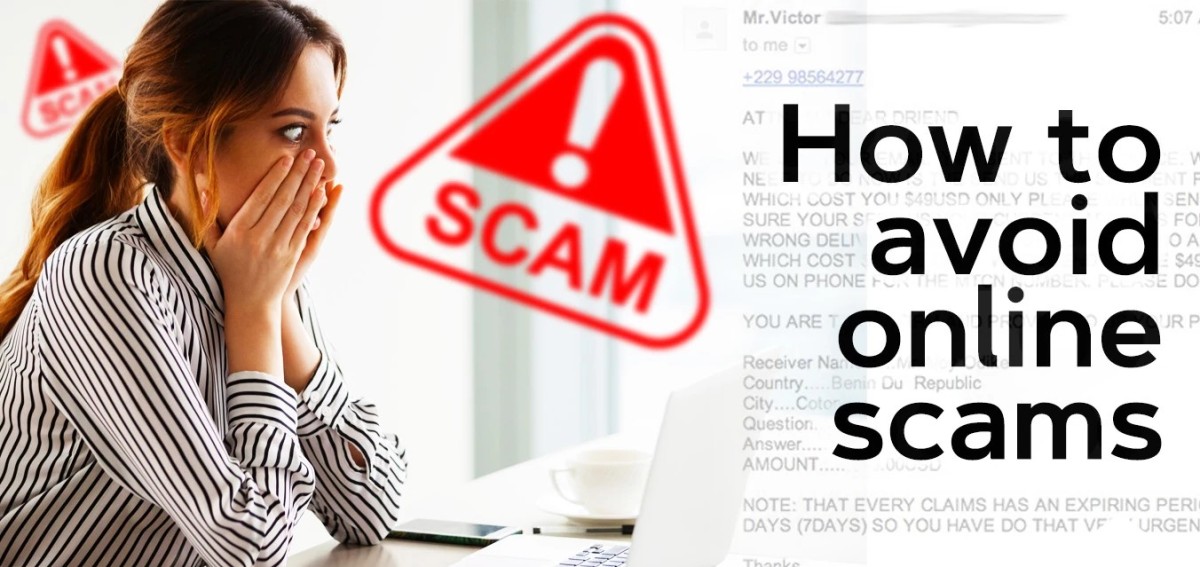
10 Common Online Scams in Nigeria and How to Avoid Them
Internet access has created enormous opportunities for communication, business, education, and financial services across Nigeria. Unfortunately, it has also created opportunities for cybercriminals who target unsuspecting users through various online scams.
Understanding how these scams work is one of the best ways to protect yourself, your finances, and your personal information.
Here are ten common online scams affecting Nigerians and practical steps you can take to avoid them.
1. Fake Online Shopping Websites
Fraudsters create websites or social media pages advertising products at unusually low prices to attract buyers.
After payment is made, the products may never be delivered, or customers receive items that differ significantly from what was advertised.
How to Protect Yourself
- Verify the seller's reputation.
- Check customer reviews and ratings.
- Be cautious of prices that seem unusually low.
- Use payment methods that provide buyer protection where available.
2. Phishing Emails and Messages
Phishing attacks attempt to trick users into revealing passwords, banking details, or other sensitive information through fake emails, text messages, or websites.
These messages often appear to come from trusted organizations.
How to Protect Yourself
- Avoid clicking suspicious links.
- Verify website addresses carefully.
- Never share passwords through email or messaging applications.
- Enable Two-Factor Authentication on important accounts.
3. Fake Investment Opportunities
Scammers promise unusually high returns with little or no risk.
These schemes often rely on recruiting new participants or collecting deposits before disappearing.
How to Protect Yourself
- Research investment companies thoroughly.
- Be skeptical of guaranteed profits.
- Seek advice from qualified financial professionals.
- Verify whether investment providers are properly regulated.
4. Account Verification Scams
Victims receive messages claiming that their bank, social media account, or email account requires immediate verification.
The provided links lead to fake websites designed to steal login credentials.
How to Protect Yourself
- Access services directly through official websites or applications.
- Avoid using login links sent through unsolicited messages.
- Review account alerts carefully before taking action.
5. Fake Job Offers
Some scammers advertise attractive job opportunities requiring application fees, training fees, or processing charges.
Legitimate employers rarely require applicants to pay money simply to apply for jobs.
How to Protect Yourself
- Research the company carefully.
- Verify contact details independently.
- Avoid making payments for recruitment opportunities.
- Be cautious of unrealistic salary offers.
6. Romance and Relationship Scams
Fraudsters build emotional relationships online and later request financial assistance for emergencies, travel expenses, or business problems.
These scams can continue for months before victims realize the deception.
How to Protect Yourself
- Be cautious when sending money to individuals you have never met.
- Verify identities where possible.
- Discuss concerns with trusted family members or friends.
7. Social Media Giveaway Scams
Scammers impersonate brands, celebrities, or organizations and claim users have won prizes or giveaways.
Victims are often asked to pay processing fees or submit sensitive information.
How to Protect Yourself
- Verify promotions through official channels.
- Be cautious of requests for upfront payments.
- Confirm the authenticity of social media accounts.
8. Business Email Fraud
Businesses may receive emails appearing to come from suppliers, partners, or executives requesting urgent payments or changes to bank account details.
How to Protect Yourself
- Verify payment instructions through separate communication channels.
- Implement approval procedures for financial transactions.
- Train employees to recognize suspicious communications.
9. Fake Technical Support Scams
Users receive calls, emails, or pop-up messages claiming their devices are infected or compromised.
The scammers then request payment for unnecessary services or ask for remote access to devices.
How to Protect Yourself
- Ignore unsolicited technical support requests.
- Contact service providers directly using official channels.
- Avoid granting remote access to unknown individuals.
10. Loan and Grant Scams
Fraudsters advertise easy loans or government grants that require processing fees before funds can be released.
After payment, communication often stops.
How to Protect Yourself
- Verify lenders and organizations independently.
- Be cautious of requests for advance payments.
- Research financial institutions before applying.
General Online Safety Tips
Regardless of the type of scam, several habits can improve your security:
- Use strong and unique passwords.
- Enable Two-Factor Authentication.
- Keep devices and applications updated.
- Verify websites before entering personal information.
- Be cautious with unsolicited messages and offers.
- Regularly review account activity.
What Should You Do If You Suspect a Scam?
If you believe you have encountered an online scam:
- Stop communication immediately.
- Change compromised passwords.
- Contact your bank if financial information was involved.
- Enable additional security measures.
- Report the incident to the appropriate authorities or service providers.
Acting quickly can reduce potential damage.
Final Thoughts
Online scams continue to evolve as technology changes, but awareness remains one of the strongest defenses available.
By learning to recognize common warning signs and practicing good cybersecurity habits, Nigerians can enjoy the benefits of the digital economy while reducing their exposure to fraud.
Staying informed and cautious online is an investment in your financial and personal security.
Frequently Asked Questions
What's Your Reaction?
 Like
3
Like
3
 Dislike
0
Dislike
0
 Love
2
Love
2
 Funny
0
Funny
0
 Wow
2
Wow
2
 Sad
0
Sad
0
 Angry
0
Angry
0



Comments (0)