The Future of IoT in Agriculture in Nigeria

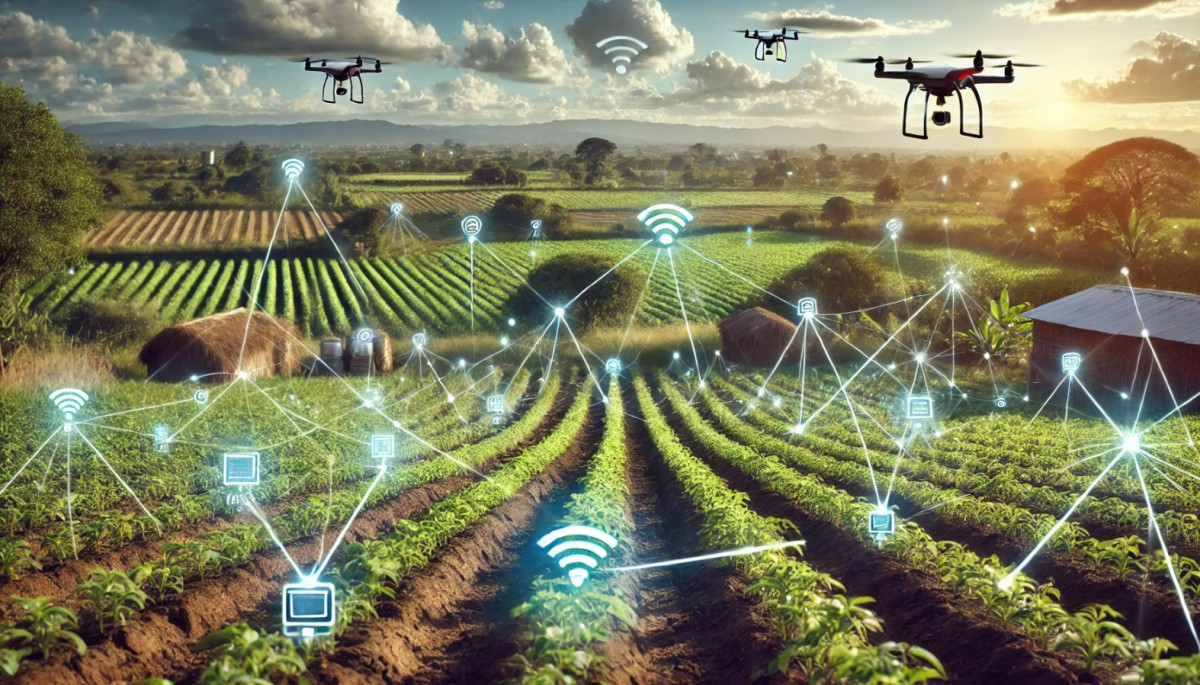
The Future of IoT in Agriculture in Nigeria
Agriculture has always been one of Nigeria's most important economic sectors, providing food, employment, and income for millions of people. However, farmers continue to face challenges such as unpredictable weather patterns, pest infestations, inefficient irrigation, and post-harvest losses.
As technology advances, the Internet of Things (IoT) is emerging as a promising solution that could transform farming practices across Nigeria.
By connecting devices, sensors, and machines to the internet, IoT has the potential to help farmers make smarter decisions, improve productivity, and use resources more efficiently.
What Is IoT?
The Internet of Things (IoT) refers to a network of physical devices that collect, exchange, and analyze data through internet connectivity.
These devices include sensors, cameras, GPS trackers, smart meters, and automated equipment that can communicate with each other without constant human intervention.
In agriculture, IoT enables farmers to monitor crops, livestock, equipment, and environmental conditions in real time.
How IoT Is Already Being Used in Agriculture
Around the world, farmers are increasingly adopting IoT technologies to improve farm operations.
Common applications include:
- Soil moisture monitoring
- Weather tracking systems
- Smart irrigation systems
- Livestock tracking
- Greenhouse automation
- Crop health monitoring
- Equipment tracking and maintenance
- Storage and warehouse monitoring
These technologies help farmers respond more quickly to changing conditions and reduce waste.
Potential Benefits for Nigerian Agriculture
1. Smarter Irrigation Management
Water shortages and irregular rainfall patterns can affect crop yields.
IoT soil sensors can monitor moisture levels and help farmers determine exactly when irrigation is needed, reducing water waste and improving crop health.
2. Improved Crop Monitoring
Sensors and connected devices can provide information about temperature, humidity, soil nutrients, and crop growth conditions.
This allows farmers to identify problems early and take corrective action before losses occur.
3. Better Pest and Disease Management
Early detection is critical when dealing with pests and crop diseases.
IoT monitoring systems can help farmers detect unusual conditions that may indicate disease outbreaks or pest infestations, allowing for faster intervention.
4. Livestock Monitoring
Farmers can use connected devices to track livestock location, health indicators, and feeding patterns.
This may improve animal welfare and reduce losses from theft or illness.
5. Reduced Post-Harvest Losses
Post-harvest losses remain a significant challenge in Nigeria.
Smart storage systems equipped with temperature and humidity sensors can help preserve crops and reduce spoilage during transportation and storage.
Challenges Facing IoT Adoption in Nigeria
Despite its potential, several barriers may slow adoption.
Limited Internet Connectivity
Many rural communities still experience unreliable internet access, which can affect connected farming solutions.
High Initial Costs
Some IoT technologies require significant upfront investment in equipment and infrastructure.
This may be difficult for small-scale farmers with limited financial resources.
Power Supply Challenges
Reliable electricity remains essential for operating sensors, communication equipment, and automated systems.
Technical Knowledge
Farmers may require training and support to use IoT systems effectively.
Improving digital literacy will play an important role in adoption.
Opportunities for Growth
Several factors could accelerate IoT adoption in Nigerian agriculture.
These include:
- Expanding mobile network coverage
- Falling costs of sensors and smart devices
- Increased government support for agricultural modernization
- Growing interest from agricultural technology startups
- Rising demand for food production efficiency
As technology becomes more affordable, adoption is likely to increase.
The Role of Government and Private Sector
Government agencies, educational institutions, and private companies all have roles to play in supporting agricultural innovation.
Investment in infrastructure, farmer education, and research could help make IoT solutions more accessible to farmers across the country.
Partnerships between technology companies and agricultural organizations may also encourage wider adoption.
What the Future Could Look Like
The future Nigerian farm may look very different from today's farms.
Farmers could receive alerts on their smartphones when crops need water, monitor livestock remotely, and use real-time data to optimize planting and harvesting schedules.
While widespread adoption may take time, the foundations for smart agriculture are already being established.
Final Thoughts
The Internet of Things has the potential to reshape agriculture in Nigeria by improving efficiency, reducing waste, and supporting better decision-making.
Challenges remain, particularly in infrastructure and affordability, but technological progress continues to create new opportunities.
For a country with a growing population and increasing food demand, embracing smart agricultural technologies may become an important part of ensuring future food security and sustainable farming practices.
Frequently Asked Questions
What's Your Reaction?
 Like
0
Like
0
 Dislike
0
Dislike
0
 Love
0
Love
0
 Funny
0
Funny
0
 Wow
0
Wow
0
 Sad
0
Sad
0
 Angry
0
Angry
0








Comments (0)