
How Businesses Use Data Analytics to Increase Sales

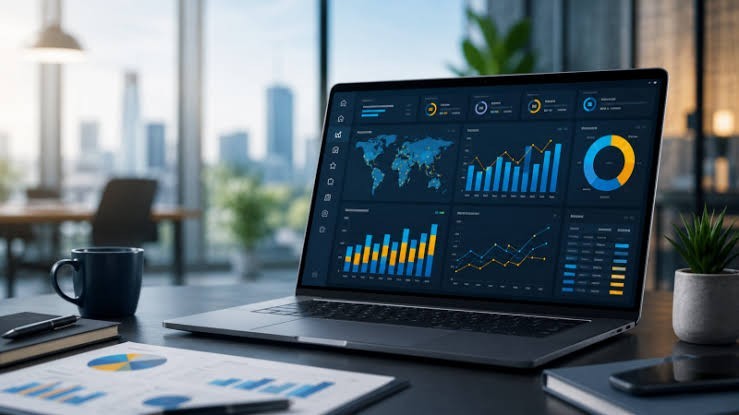
How Businesses Use Data Analytics to Increase Sales
In today's competitive marketplace, successful businesses don't rely solely on instinct when making decisions. Instead, they use data to understand customer behavior, identify opportunities, and improve sales performance.
Data analytics has become an essential business tool, helping organizations make informed decisions based on facts rather than assumptions. Whether you're running a small startup, an online store, or a large enterprise, understanding your business data can lead to smarter strategies and better results.
This guide explains how businesses use data analytics to increase sales and why it has become a key driver of business growth.
What Is Data Analytics?
Data analytics is the process of collecting, organizing, analyzing, and interpreting data to uncover useful insights that support better decision-making.
Businesses generate data from many sources, including:
- Website traffic
- Online purchases
- Customer feedback
- Social media interactions
- Email marketing campaigns
- Sales records
- Customer support inquiries
- Mobile applications
When properly analyzed, this information can reveal patterns and trends that help businesses improve performance.
Why Data Analytics Matters
Without data, businesses often make decisions based on assumptions or limited information.
Data analytics enables businesses to:
- Understand customer needs
- Identify best-selling products
- Improve marketing campaigns
- Increase operational efficiency
- Reduce unnecessary expenses
- Predict future demand
- Improve customer satisfaction
These insights contribute to better business decisions and stronger financial performance.
Understanding Customer Behavior
One of the biggest advantages of data analytics is the ability to understand how customers interact with a business.
Businesses can learn:
- Which products customers view most often
- Which pages visitors spend the most time on
- Where customers abandon their purchases
- What products are frequently purchased together
- Which marketing channels generate the most sales
This information helps businesses improve the customer journey and remove obstacles that may prevent purchases.
Personalizing the Customer Experience
Customers increasingly expect personalized experiences.
By analyzing customer data, businesses can recommend products or services based on previous purchases, browsing history, or preferences.
Examples include:
- Personalized product recommendations
- Customized email campaigns
- Targeted discounts
- Special offers for returning customers
Relevant recommendations often lead to higher customer engagement and increased sales.
Improving Marketing Campaigns
Marketing budgets are limited, making it important to understand which campaigns deliver the best return on investment.
Data analytics helps businesses measure:
- Website traffic
- Conversion rates
- Email open rates
- Click-through rates
- Advertising performance
- Customer acquisition costs
These insights allow businesses to invest more in strategies that produce results and refine those that do not.
Identifying Sales Trends
Sales data often reveals seasonal trends and customer preferences.
For example, businesses may discover:
- Products that sell better during certain months
- Peak shopping times
- Regional buying patterns
- Frequently purchased product combinations
Understanding these trends helps businesses prepare inventory, plan promotions, and forecast future demand more accurately.
Optimizing Pricing Strategies
Pricing has a significant impact on customer purchasing decisions.
Businesses use analytics to evaluate:
- Customer demand
- Competitor pricing
- Sales performance
- Profit margins
This information supports pricing decisions that balance competitiveness with profitability.
Improving Inventory Management
Running out of popular products can lead to lost sales, while overstocking slow-moving items ties up valuable resources.
Data analytics helps businesses:
- Predict future demand
- Monitor inventory levels
- Reduce waste
- Improve stock planning
Efficient inventory management supports better customer satisfaction and healthier cash flow.
Enhancing Customer Retention
Acquiring new customers is often more expensive than retaining existing ones.
Businesses can use analytics to identify customers who may stop purchasing and develop strategies to keep them engaged.
Examples include:
- Loyalty programs
- Personalized offers
- Re-engagement campaigns
- Customer satisfaction surveys
Strong customer relationships often lead to repeat purchases and long-term growth.
Supporting Better Business Decisions
Data analytics provides managers with objective information that supports strategic planning.
Instead of relying on guesswork, businesses can evaluate measurable performance indicators before making important decisions.
This reduces uncertainty and improves confidence in business planning.
Challenges of Data Analytics
While data analytics offers many benefits, businesses should also consider its challenges.
Common challenges include:
- Poor-quality data
- Data privacy concerns
- Limited analytical skills
- Integration of multiple data sources
- High implementation costs for advanced systems
Addressing these challenges requires proper planning, appropriate tools, and ongoing staff training.
Getting Started with Data Analytics
Businesses new to analytics can begin by:
- Defining clear business goals.
- Identifying important data sources.
- Choosing suitable analytics tools.
- Monitoring key performance indicators (KPIs).
- Reviewing data regularly.
- Making gradual improvements based on findings.
Starting with simple reports and expanding over time is often an effective approach.
The Future of Data Analytics
Advances in Artificial Intelligence and Machine Learning are making data analytics more powerful than ever.
Future trends include:
- Predictive analytics
- Real-time business intelligence
- AI-powered reporting
- Automated decision support
- Customer behavior forecasting
These technologies will help businesses make faster and more informed decisions.
Final Thoughts
Data analytics is no longer reserved for large corporations. Businesses of all sizes can use data to understand customers, improve marketing, optimize operations, and increase sales.
The most successful organizations treat data as a valuable business asset, using it to guide decisions and uncover new opportunities.
By collecting meaningful information, analyzing it carefully, and acting on the insights gained, businesses can build stronger customer relationships, improve profitability, and remain competitive in an increasingly data-driven economy.
Frequently Asked Questions
What's Your Reaction?
 Like
1
Like
1
 Dislike
0
Dislike
0
 Love
1
Love
1
 Funny
0
Funny
0
 Wow
1
Wow
1
 Sad
0
Sad
0
 Angry
0
Angry
0








Comments (0)