
The Rise of Low-Code and No-Code Development Platforms

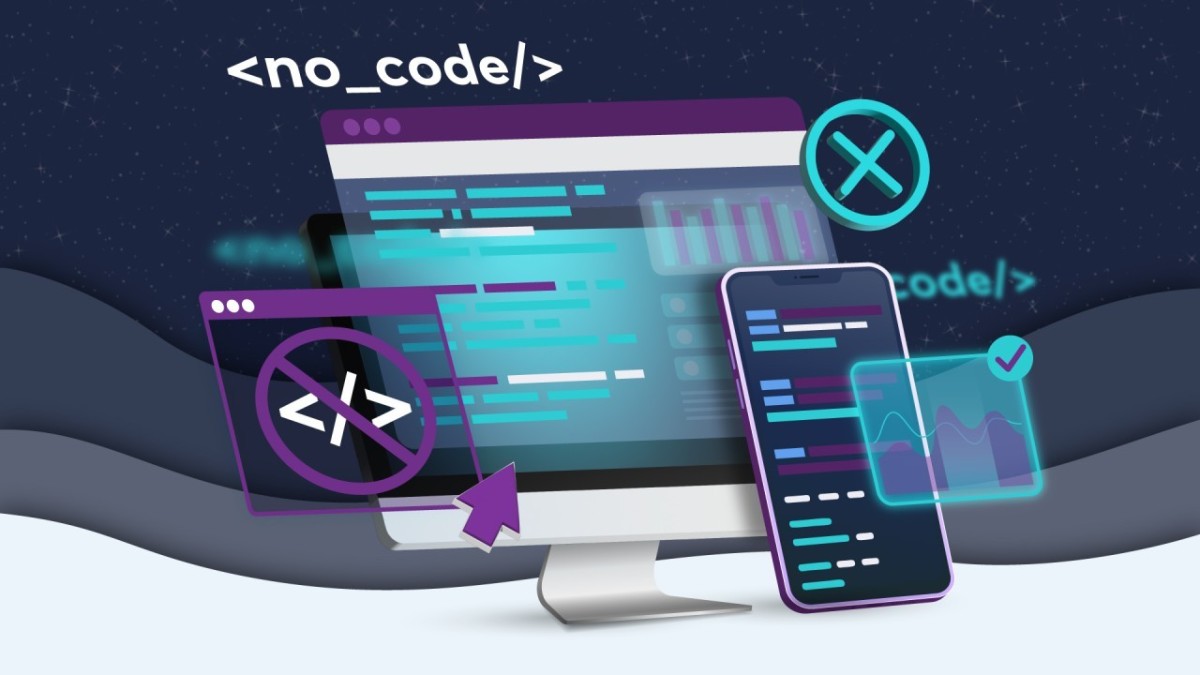
Software development is changing rapidly. Not long ago, creating a website, mobile app, or business management system required extensive programming knowledge and a team of experienced developers.
Today, low-code and no-code development platforms are making it possible for entrepreneurs, startups, and businesses to build digital solutions faster and more affordably than ever before.
As businesses continue to embrace digital transformation in 2026, these platforms are becoming an important part of the technology landscape.
What Are Low-Code and No-Code Platforms?
Low-code and no-code platforms allow users to build applications using visual interfaces, drag-and-drop components, and pre-built templates rather than writing large amounts of code manually.
Low-Code Development
Low-code platforms require some programming knowledge but significantly reduce the amount of code developers need to write.
Developers can focus on customization and complex business logic while using visual tools to speed up development.
No-Code Development
No-code platforms are designed for users with little or no programming experience.
Business owners, marketers, project managers, and entrepreneurs can create websites, forms, workflows, and simple applications using graphical interfaces.
Why Are These Platforms Growing So Quickly?
Several factors are driving the popularity of low-code and no-code solutions.
1. Faster Development Time
Traditional software projects can take months or even years to complete.
Low-code and no-code tools can reduce development time significantly by providing ready-made components and automated workflows.
Businesses can launch products faster and respond more quickly to market demands.
2. Reduced Development Costs
Hiring software developers for every project can be expensive, especially for startups and small businesses.
These platforms lower development costs by reducing the amount of custom programming required.
This makes digital solutions more accessible to smaller organizations with limited budgets.
3. Addressing the Developer Shortage
The global demand for software developers continues to grow.
Low-code and no-code platforms help bridge this gap by enabling non-technical users to build simple applications without relying entirely on development teams.
Developers can then focus their efforts on more complex and high-value projects.
4. Increased Business Agility
Markets change quickly, and businesses often need to adapt their processes rapidly.
With low-code and no-code tools, organizations can create and modify applications without waiting for lengthy development cycles.
This flexibility can provide a competitive advantage.
Common Applications of Low-Code and No-Code Platforms
These platforms are being used across many industries for a variety of purposes.
Businesses commonly use them for:
* Customer relationship management systems
* Internal business tools
* Inventory management applications
* Appointment booking systems
* Workflow automation
* Employee onboarding systems
* Data collection forms
* Customer support portals
* Business dashboards
* E-commerce websites
Benefits for Small Businesses
Small businesses stand to gain significantly from these technologies.
Improved Accessibility
Entrepreneurs without technical backgrounds can participate directly in building solutions for their businesses.
Faster Experimentation
Businesses can test ideas and launch minimum viable products without major investments.
Greater Innovation
Teams can develop solutions internally instead of waiting for external development resources.
Lower Risk
Because development costs are lower, businesses can experiment with new ideas more comfortably.
Limitations to Consider
Despite their advantages, low-code and no-code platforms are not suitable for every project.
Limited Customization
Complex applications may require functionality beyond what visual builders can provide.
Scalability Concerns
Some platforms may struggle to support highly demanding enterprise applications or very large user bases.
Vendor Dependency
Businesses may become dependent on a specific platform's ecosystem, pricing model, and capabilities.
Integration Challenges
Connecting with older systems or highly specialized software can sometimes be difficult.
Will Low-Code Replace Developers?
A common concern is whether these platforms will replace software developers.
In most cases, the answer is no.
Complex systems, enterprise applications, cybersecurity solutions, and highly customized platforms still require skilled developers and engineers.
Instead, low-code and no-code solutions are changing the role of developers by allowing them to focus on architecture, integration, security, and advanced functionality while routine tasks become more automated.
Opportunities for Nigerian Businesses
The rise of these platforms presents significant opportunities for businesses in Nigeria.
Small businesses can digitize operations more affordably, startups can validate ideas faster, and organizations can automate repetitive tasks without large technology budgets.
As internet access improves and digital adoption grows, low-code and no-code tools may play an increasingly important role in supporting entrepreneurship and innovation across the country.
The Future of Application Development
The future of software development is unlikely to be purely traditional coding or purely no-code solutions.
Instead, many organizations will adopt a hybrid approach that combines professional software development with visual development tools.
Businesses that understand when to use each approach will be better positioned to innovate efficiently and remain competitive.
Final Thoughts
Low-code and no-code platforms are changing how software is created and who can participate in the development process.
By reducing technical barriers and accelerating development, these tools are helping businesses move from ideas to solutions more quickly than ever before.
While they may not replace traditional software engineering, they are becoming an important addition to the modern technology toolkit.
Frequently Asked Questions
What's Your Reaction?
 Like
0
Like
0
 Dislike
0
Dislike
0
 Love
2
Love
2
 Funny
0
Funny
0
 Wow
0
Wow
0
 Sad
0
Sad
0
 Angry
0
Angry
0








Comments (1)